You bought a plasma cutter to speed up metal fabrication. But now you’re stuck—trying to weld with it like a TIG torch, melting edges unevenly, wasting time, and wondering if you’ve wasted money. The frustration is real. Here’s the truth: welding with plasma cutter isn’t about replacing your welder—it’s about rethinking the entire workflow.
Why Traditional Welding Mindsets Fail with Plasma Cutters
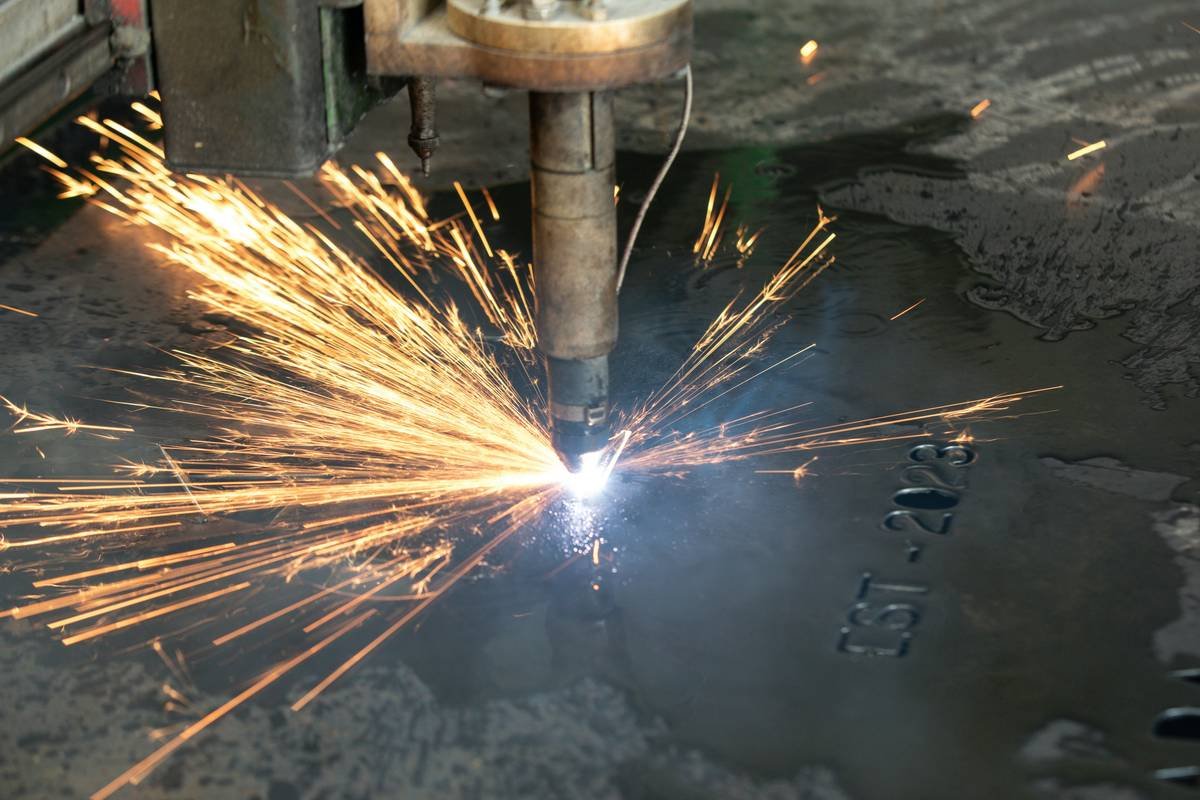
Most beginners treat plasma cutters as “hot knives” for metal. That’s where they crash. Plasma isn’t designed to fuse base metals—it’s engineered to vaporize them. Trying to puddle steel like you would with MIG or stick welding? You’ll only gouge, warp, or burn through thin sheets.
And here’s the kicker: even seasoned fabricators fall into this trap when rushing jobs. They assume high amperage = better fusion. Wrong. Plasma arcs run at 20,000°F+—far hotter than any welding arc. Precision control, not brute force, wins.
How to Actually Use a Plasma Cutter in Your Welding Workflow
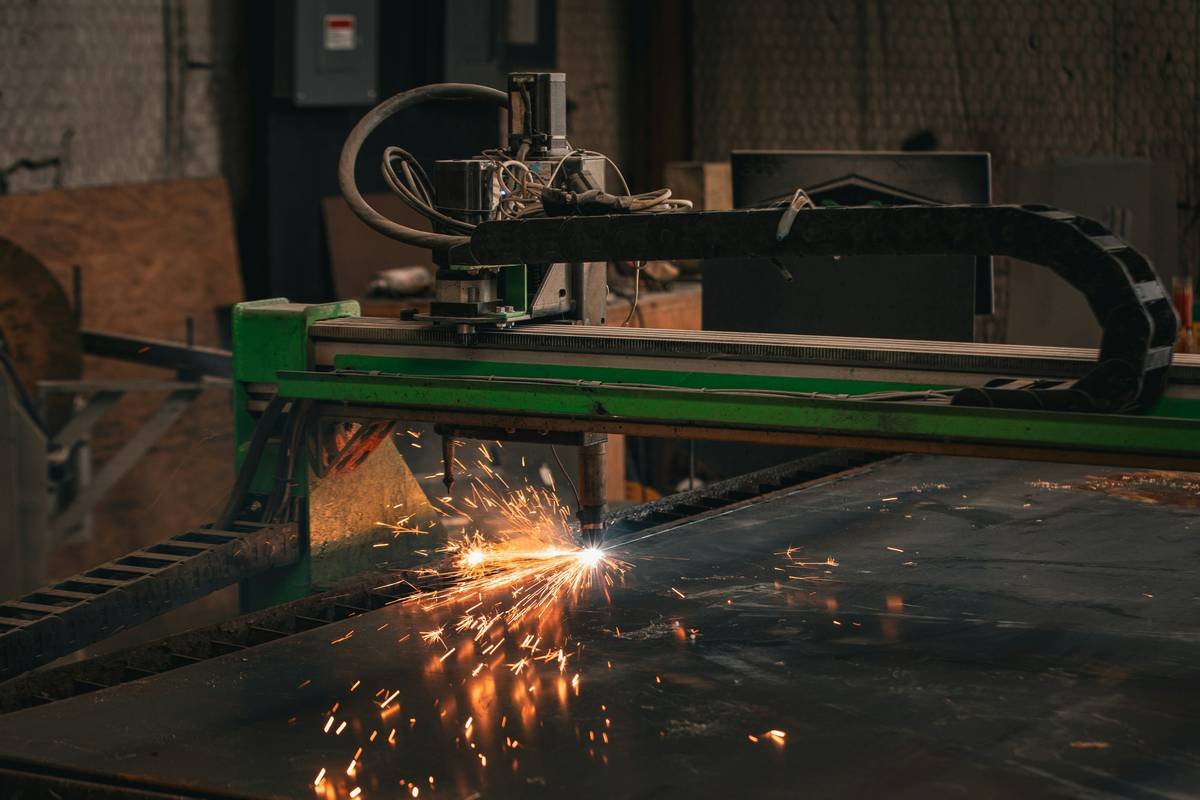
Forget “welding with plasma cutter” as a standalone process. Instead, integrate it as the prep champion before you ever strike an arc. Clean, square, oxide-free edges cut with plasma dramatically improve weld penetration, reduce spatter, and cut post-weld grinding by up to 70%.
Selecting the Right Consumables for Clean Cuts
Swirl rings worn out? Electrode pitted? Your cut quality tanks instantly. Always match nozzle orifice size to material thickness—too large, and you get dross; too small, and you stall the arc. Pro tip: keep a dedicated set of consumables just for stainless or aluminum. Cross-contamination causes porosity later during actual welding.
Optimal Amperage and Speed Settings
Running too slow? You’ll create a beveled edge that traps slag. Too fast? Incomplete cuts lead to weak tack points. The sweet spot varies by machine—but a good rule: for 1/4″ mild steel, aim for 45–55 amps at 10–15 IPM (inches per minute). Test on scrap first. Every time.
Post-Cut Prep Before Welding
Plasma leaves behind a slight heat tint and micro-scale oxidation—even on clean cuts. Don’t skip wire brushing or light grinding. Skipping this step is why some “plasma-assisted welds” fail under stress testing. Clean metal = strong bond. Period.
| Method | Time per 2ft Cut (min) | Edge Quality | Post-Prep Needed? | Ideal For |
|---|---|---|---|---|
| Oxy-Fuel Torch | 8–12 | Rough, scaled | Yes – heavy grinding | Thick steel (>1″) |
| Angle Grinder + Cutoff Wheel | 6–10 | Warped, inconsistent | Yes – deburring | Small DIY jobs |
| Plasma Cutter | 1.5–3 | Square, minimal dross | Light brushing only | All precision welding prep |
The Industry Secret: Plasma Cutting as a Weld Quality Multiplier
Here’s what distributors won’t tell you: the biggest ROI from a plasma cutter isn’t speed—it’s repeatability. When you cut 20 identical brackets with consistent edge geometry, your weld settings stay constant across all pieces. No more tweaking volts or wire speed mid-batch. That’s how shops using welding with plasma cutter prep slash labor costs by 30% on fabrication runs.
Think about it—your welder spends less time fixing fit-up gaps and more time laying clean beads. And yes, this applies even to home garages. One weekend warrior I advised switched from hacksaw + file to a 40-amp Hypertherm. His trailer frame welds went from “ugly but functional” to “looks factory-made”—all because his cuts were true.
Frequently Asked Questions
Can you actually weld metal using only a plasma cutter?
No. Plasma cutters are not designed to join metals—they remove them. Attempting to “weld” with plasma alone creates weak, porous joints prone to cracking.
Does plasma cutting affect weld strength?
Only if done poorly. Clean, precise plasma cuts enhance weld integrity. Sloppy, dross-heavy cuts introduce contaminants that weaken the fusion zone.
What thickness can a typical home plasma cutter handle?
Most 40–50 amp units cleanly cut up to 3/4″ mild steel—but for optimal edge quality before welding, stay under 1/2″. Thicker cuts require slower speeds and post-cleaning.