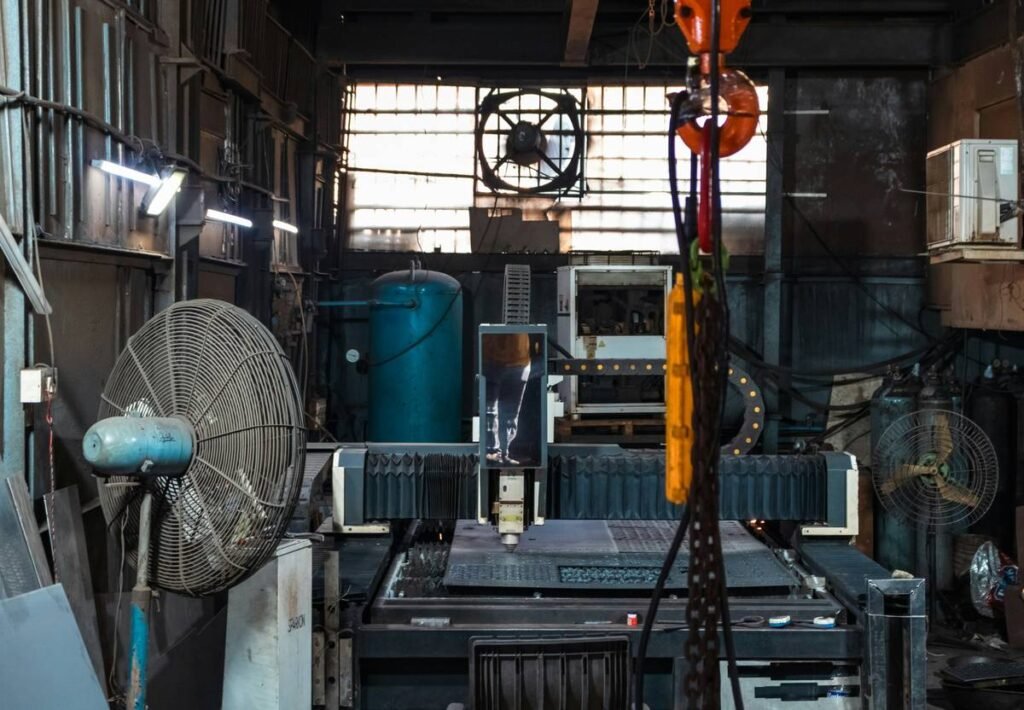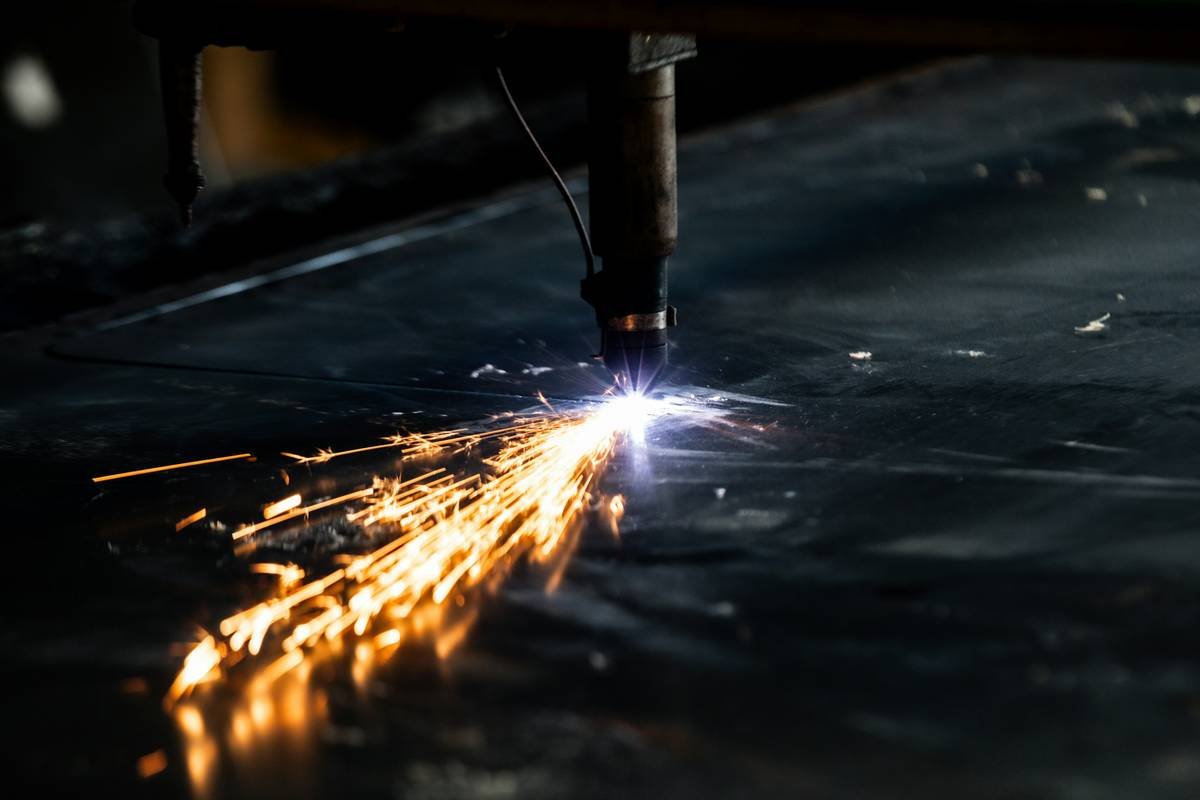
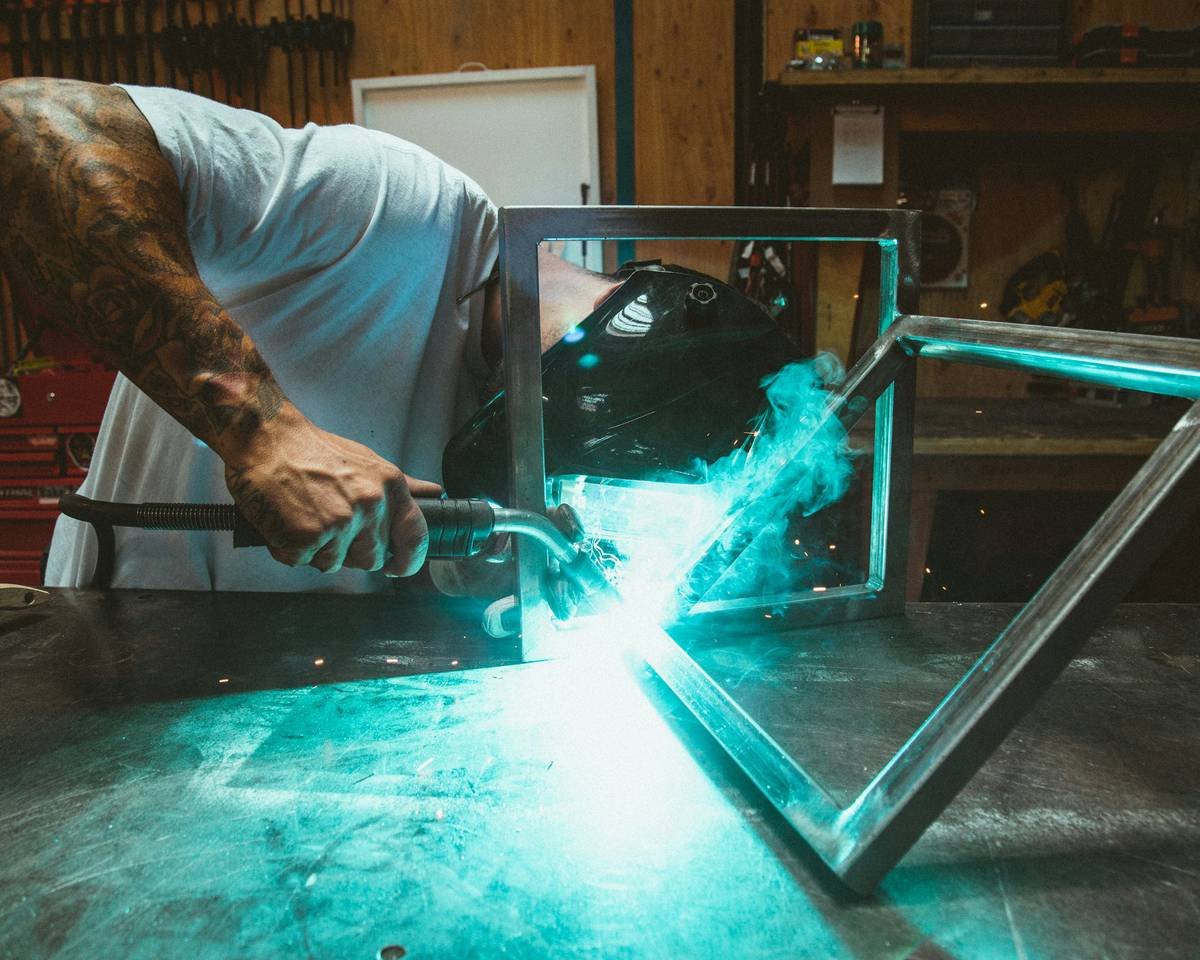
You’re wasting hours switching between machines—grinding off rust, wrestling with oxy-fuel torches, then dragging out your stick welder. Time drags. Precision suffers. Frustration builds. What if one machine could cut cleanly through 3/4-inch steel and then lay down a rock-solid bead—without moving an inch? That’s the real power of a welder with plasma cutter combo.
The Core Problem: Why Traditional Workflows Fail
Oxy-acetylene rigs are relics. They’re slow, require gas storage nightmares, and can’t cut painted or rusted metal without prep work that eats into your profit margin. Standalone cutters add clutter to cramped shops—and every tool swap costs you 7–12 minutes on average. Multiply that over a 40-hour week. The math is simple: inefficiency compounds fast.
And don’t get me started on cheap “multi-process” units that overheat during extended cutting sessions. You need thermal stability, not marketing fluff.
How to Choose and Use a Welder with Plasma Cutter Like a Pro
Assess Your Duty Cycle Needs First
Most beginners buy based on amperage alone. Big mistake. A 50-amp plasma cutter rated at 35% duty cycle stalls on thick plates during production runs. Look for 60% or higher—especially if you’re cutting more than 20 minutes per hour.
Material Thickness Dictates Power Requirements
Match your typical jobs. Cutting 1/8″ sheet metal? A 30-amp unit suffices. But if you’re slicing 1/2″ plate weekly, step up to 80 amps. Underpowered = dross buildup = rework.
The Hidden Cost of Consumables
Brand matters. Some OEMs lock you into proprietary nozzles costing $25 each. Others use universal tips under $8. Over a year, that’s hundreds in hidden expenses. Always check consumable availability before buying.
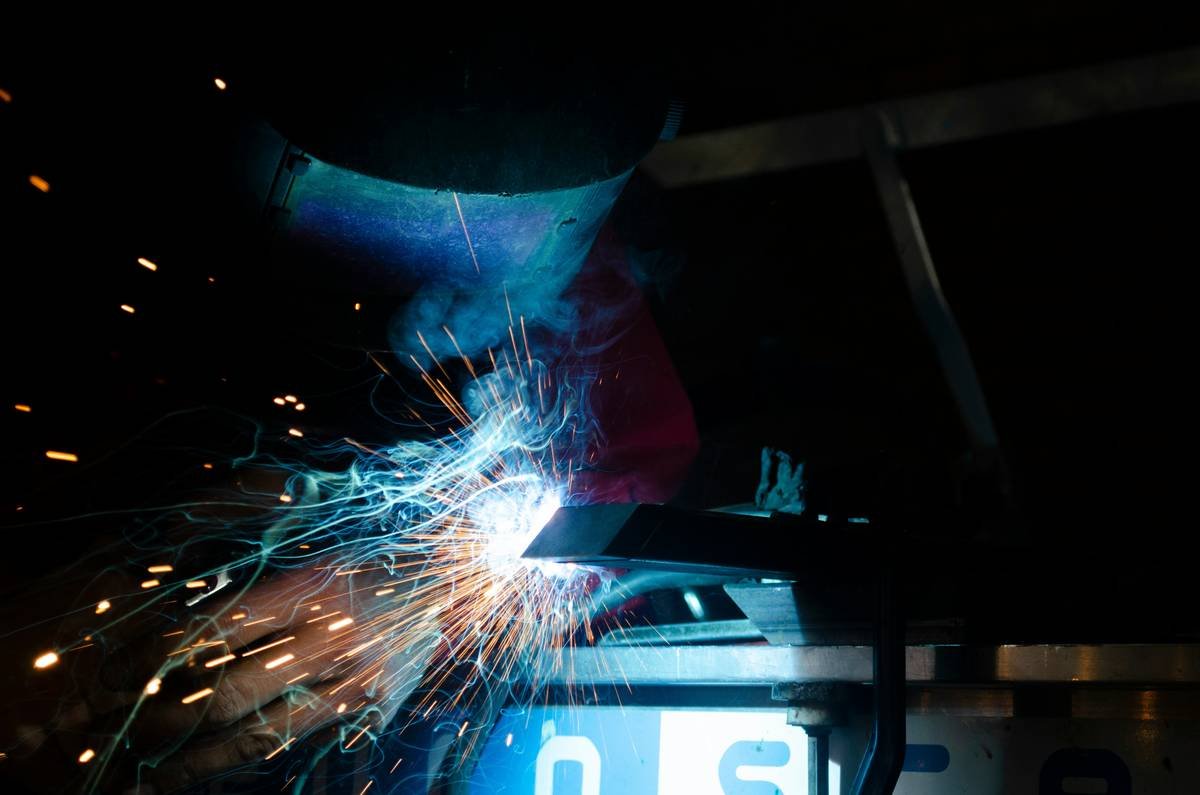
| Method | Avg. Cut Speed (IPM on 1/4″ Steel) | Operating Cost/Hour | Precision (Kerf Width) |
|---|---|---|---|
| Oxy-Fuel Torch | 8–12 | $4.20 | 0.125″ |
| Standalone Plasma Cutter | 25–35 | $2.80 | 0.090″ |
| Welder with Plasma Cutter Combo | 22–30 | $3.10 | 0.095″ |
| Laser Cutter (Industrial) | 60+ | $18.50+ | 0.020″ |
The Industry Secret Nobody Talks About
Here’s what dealers won’t tell you: most “combo” machines share the same internal rectifier—but only premium models isolate the plasma circuit with dedicated high-frequency filtering. Without it, HF interference from plasma cutting can corrupt your TIG arc start, causing erratic starts or porosity. I’ve seen shops return units thinking they were defective—when it was just poor EMI shielding. Always look for “HF-isolated plasma” in specs. It’s non-negotiable for clean welding after cutting.
Frequently Asked Questions
Can a welder with plasma cutter handle stainless steel?
Yes—if it uses a pilot arc system and proper shielding gas (like nitrogen or air). Avoid cheap models that rely solely on compressed shop air; stainless requires cleaner cuts to prevent chromium oxidation.
Do I need a separate air compressor?
Most units require 90–120 PSI at 6–8 CFM. Integrated compressors exist but overheat quickly. A 6-gallon tank with moisture trap is the sweet spot for garage shops.
Is a welder with plasma cutter worth it for hobbyists?
Only if you cut and weld weekly. Occasional users save money buying separate entry-level tools. But if you’re doing art metalwork or trailer repair, the time savings pay back fast.
Stop juggling tools. A true welder with plasma cutter isn’t just convenient—it redefines workflow efficiency. At HydroForce Inc., we engineer combos built for real-world abuse, not showroom demos. Get a spec sheet today and see why fabricators from Detroit to Dallas swear by one-machine simplicity.