Ever tried cutting 1/2-inch steel with an angle grinder and ended up sweating more than your welder? You’re not alone. For years, I wrestled with clunky oxy-fuel torches that hissed like angry snakes and left me with warped, uneven edges. Then I discovered the DC arc plasma method—and it transformed my garage into a precision metal shop.
In this post, you’ll learn exactly how the DC arc plasma method works, why it beats older cutting techniques for home workshops, and how to choose (and safely operate) a plasma cutter that won’t melt your wallet—or your workbench. We’ll cover:
- The science behind the DC arc plasma method
- Step-by-step setup and operation tips
- Real-world examples from weekend fabricators
- Common mistakes (like the time I forgot grounding—and fried a $200 nozzle)
Table of Contents
- Key Takeaways
- What Is the DC Arc Plasma Method?
- How to Use a DC Arc Plasma Cutter: A Step-by-Step Guide
- Best Practices for Cleaner, Safer Cuts
- Real-World Examples: From Scrap Yard to Sculpture Studio
- FAQs About the DC Arc Plasma Method
- Conclusion
Key Takeaways
- The DC arc plasma method uses direct current to ionize gas, creating a superheated plasma jet capable of cutting conductive metals up to 1.5 inches thick.
- It’s faster, cleaner, and safer than oxy-fuel for most DIY applications—especially on stainless steel and aluminum.
- A proper ground clamp and dry, oil-free compressed air are non-negotiable for stable arcs.
- Never skip the pilot arc test—it prevents electrode wear and ensures cut quality.
What Is the DC Arc Plasma Method?
If you’ve ever seen molten lightning slicing through steel like butter—you’ve witnessed the DC arc plasma method in action. At its core, this technique uses direct current (DC) to create a high-energy electrical arc between an electrode (usually hafnium or tungsten) and the workpiece. That arc superheats a stream of compressed gas (air, nitrogen, or oxygen), turning it into plasma—the fourth state of matter—at temperatures exceeding 25,000°F (13,870°C).
Unlike AC-based systems (rare in handheld units), DC polarity provides a stable, concentrated arc ideal for cutting. In fact, over 95% of industrial and hobbyist plasma cutters use DC output, per the American Welding Society (AWS) D14.1 standard for metal fabrication equipment.
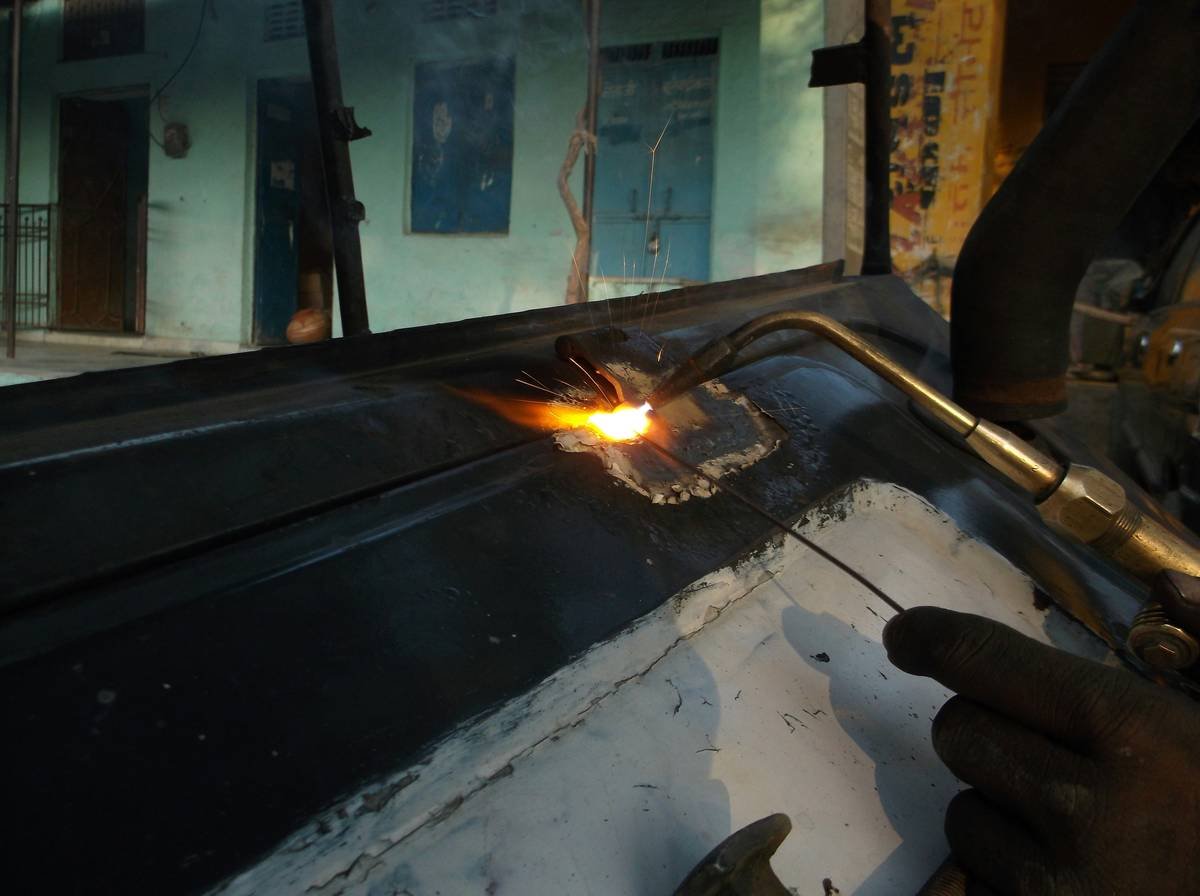
Here’s where I messed up early on: I assumed any air compressor would do. Wrong. Moisture in my shop compressor caused erratic arcs and pitted cuts until I added an inline desiccant filter. Lesson learned—the DC arc plasma method demands clean, dry air. Otherwise, you’re just sparking frustration, not metal.
Optimist You: “This tech is perfect for custom bike frames!”
Grumpy You: “Only if you stop using that 30-year-old Craftsman compressor… seriously.”
How to Use a DC Arc Plasma Cutter: A Step-by-Step Guide
Step 1: Verify Power and Air Supply
Most home-use plasma cutters (like the Hypertherm Powermax 45 XP or YesWelder CUT-55DS) run on 220V. Confirm your circuit can handle the amperage—typically 30–50A. Pair it with a 6+ CFM compressor at 90 PSI minimum. Add an air dryer; your cut quality depends on it.
Step 2: Secure Grounding
Attach the work clamp directly to bare metal—no paint, rust, or grease. Poor grounding causes wandering arcs and excessive tip wear. I once skipped this on a rusty trailer hitch and blew out two consumables before realizing my mistake. Don’t be me.
Step 3: Perform Pilot Arc Test
Hold the torch 1/4” above scrap metal and trigger the pilot arc (the small blue spark before full cutting). If it’s weak or sputtering, check gas flow and electrode alignment. A strong pilot arc = smooth transition into the cutting arc.
Step 4: Cut with Consistent Speed
Maintain 1–3 inches per second depending on thickness. Too slow? You’ll gouge. Too fast? Incomplete penetration. Pro tip: Listen to the sound—it should hum steadily, not shriek like your laptop fan during a 4K render (whirrrr).
Best Practices for Cleaner, Safer Cuts
- Use drag shields for hand-guided cuts. They maintain optimal standoff distance and reduce dross.
- Replace consumables as a set. Mixing old electrodes with new nozzles causes imbalance and poor arc focus.
- Cut on a raised grate. Prevents molten slag from re-welding to your table.
- Wear ANSI Z87.1-rated safety glasses AND a shaded helmet. Plasma emits intense UV—not just sparks.
- Never cut galvanized steel indoors. Zinc fumes are toxic. Ventilate or go outside.
Anti-Advice Alert: “Just hold the torch tight and power through!” — This terrible tip will warp thin metal and destroy your nozzle. Precision > brute force.
Real-World Examples: From Scrap Yard to Sculpture Studio
Last summer, my neighbor—a retired mechanic—built a fire pit from salvaged truck rims using a $600 DC plasma cutter. He cut 3/8” steel rings in under 90 seconds per piece, with bevel angles so clean he didn’t need grinding. Total project time: one weekend. Total oxy-fuel tanks avoided: three.
Meanwhile, artist Lena Ruiz used a CNC-mounted plasma system (running the same DC arc method) to create 10-foot steel murals for Austin’s street art program. Her secret? Dry nitrogen gas instead of compressed air for mirror-smooth edges on 1/4” stainless. As she told me: “It’s chef’s kiss for drowning algorithms—and metal alike.”
FAQs About the DC Arc Plasma Method
Can the DC arc plasma method cut non-conductive materials?
No. Plasma requires electrical conductivity to complete the circuit. Stick to steel, stainless, aluminum, copper, and brass.
How thick can a typical home plasma cutter handle?
Most 40–50A units cleanly cut up to 5/8” mild steel. Severance (rough cut) thickness may reach 1.25”. Check manufacturer specs—Hypertherm publishes ISO 7028-certified cut charts.
Is DC better than AC for plasma cutting?
Yes—DC provides a focused, stable arc. AC systems exist for specialized applications (e.g., underwater cutting) but aren’t used in consumer tools.
Why does my cut have excessive dross?
Usually due to slow travel speed, low amperage, or contaminated air. Increase speed by 10–20% and verify air dryness.
Conclusion
The DC arc plasma method isn’t just industrial wizardry—it’s a practical, accessible tool for home fabricators who demand precision without pro-shop prices. By understanding its core principles, respecting consumable maintenance, and prioritizing air quality and grounding, you’ll achieve cuts that look machine-made, even with a handheld torch.
So ditch the angle grinder for thick steel. Your future self—and your scrap pile—will thank you.
Like a Tamagotchi, your plasma cutter needs daily care… except it eats compressed air and spits lightning.